

The Rise of Social Media Management Platforms in 2026
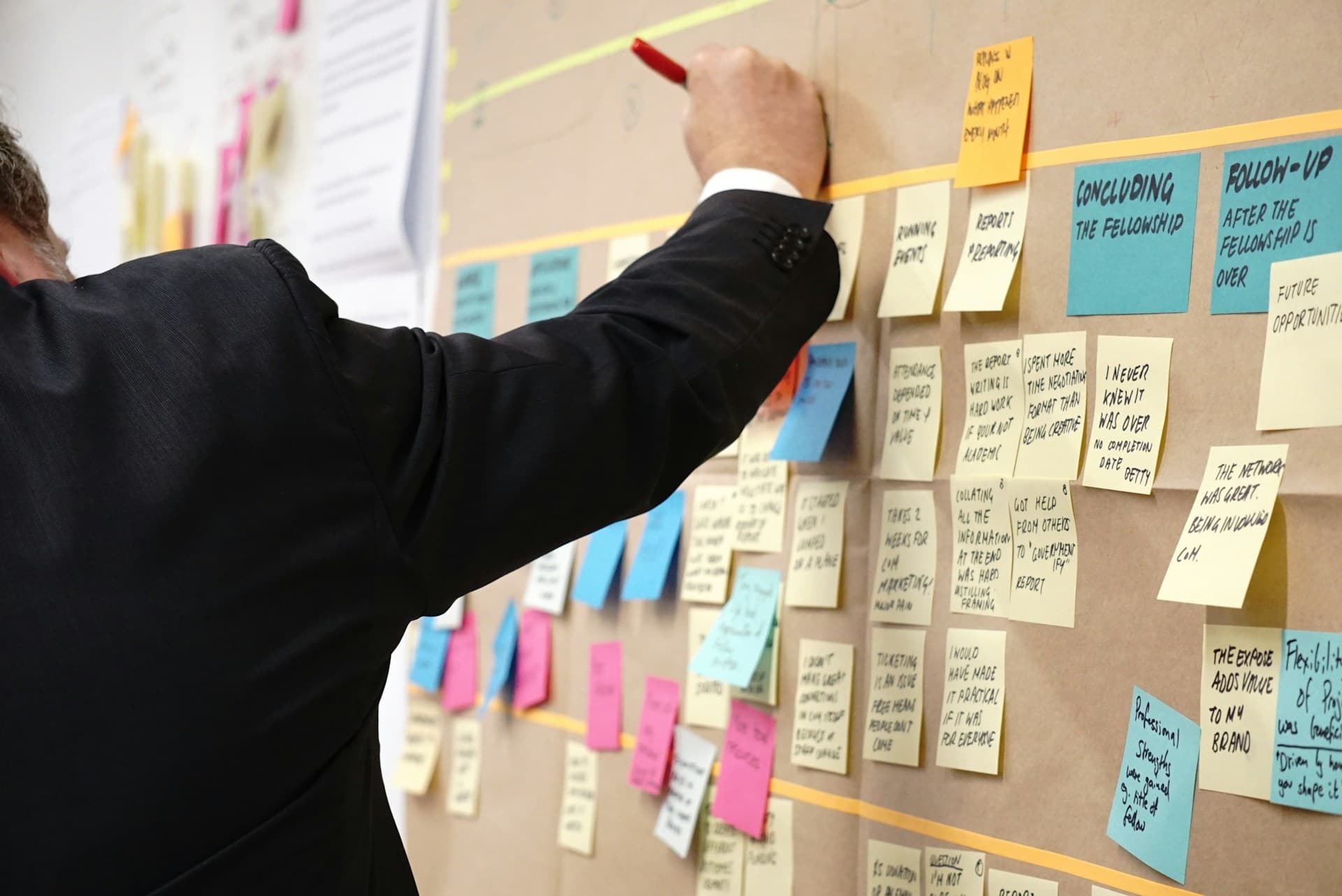
In 2021, managing social media meant juggling two or three platforms. In 2026, the number of channels creators and brands are expected to maintain has grown considerably — YouTube, Instagram, TikTok, LinkedIn, Threads, and whatever launched last quarter. Content formats have multiplied alongside them: short-form video, long-form video, static posts, carousels, stories, live streams. The workload has not scaled linearly — it has compounded.
More platforms, more pressure
The expectation to show up everywhere at once is now the baseline for anyone serious about building an audience. Brands that used to manage one or two channels now operate across five or six simultaneously. The problem is not creativity — most creators have plenty of ideas. The problem is bandwidth. Writing a caption for Instagram, a description for YouTube, a hook for TikTok, and a professional intro for LinkedIn from a single piece of content takes hours when done by hand. Multiply that across four posts a week and you have a part-time job in reformatting.
How social media management platforms evolved
The first wave of social media management tools were simple schedulers — a calendar where you dropped in a post and picked a time. Useful, but entirely manual. The second wave added analytics dashboards, pulling performance data from multiple platforms into a single view. Useful, but still reactive. By 2023 and 2024, a third wave arrived: tools that did not just distribute content but helped generate it. That shift changed the category fundamentally.
- Wave 1 — Schedulers: post in advance, pick a time, done. Buffer, Hootsuite, and early Sprout Social.
- Wave 2 — Analytics dashboards: see what is working across platforms in one consolidated view.
- Wave 3 — AI generation: move from distributing content to creating platform-ready versions of it automatically.
- Wave 4 — AI comprehension: tools that understand source material first, then write specifically from it — not from a generic template.
Why AI changed the category in 2025 and 2026
The tools that generated the most noise in 2023 and 2024 were largely template-based AI assistants — write a prompt and get five caption variants. That was better than a blank page, but it had a ceiling: the AI did not know what your content was actually about. By 2025, a new approach started to displace the template model — AI tools that consumed the source content first, watched your video, and wrote from a real understanding of what you said. The difference in output quality is significant. A caption written from an understanding of your video references what you actually said. It picks a hook from a moment that happened. It does not sound like a generic formula wearing your topic as a costume.
The shift from scheduling to understanding
The core question that separates modern platforms from legacy ones is where the intelligence sits. Legacy tools are distributors: you give them finished content and they move it around. Modern platforms are interpreters: they take your raw material — the video you recorded — and understand it before they write a single word. That interpretation is what makes the output platform-native rather than platform-agnostic. YouTube wants a keyword-rich description with timestamps. Instagram wants a hook in the first line and a caption worth saving. LinkedIn rewards a professional framing of the same idea. A tool that understands your video can produce all three from one source, each shaped for how people actually read on that channel.
What to look for in a social media management platform today
The category has matured enough that differentiating between tools requires asking the right questions — not just whether they support your platforms, but how they generate and adapt content.
- Does it understand your source content, or does it generate from prompts and templates?
- Does it produce platform-specific output — not the same text posted everywhere — or does it distribute a single version?
- Can you review and edit every piece before it goes out, or does it push content automatically?
- Does it handle the full workflow — from source material to generated content to scheduled publishing — in one place?
- What platforms does it support, and is the connection maintained reliably including token refresh, reconnection, and error feedback?
Where the category is heading
The pattern emerging in 2026 is clear: the tools that win are the ones that reduce the distance between a creator's raw footage and a fully published, platform-native post. Not by automating the creator out of the loop — the review and approval step is still essential — but by shrinking the time between recording something and having content ready to publish across five channels. The future of social media management is not a bigger calendar. It is a smarter interpreter that understands what you made and handles the adaptation work so you can focus on making the next thing.
OmniPost is built around that idea. Upload one video, let it understand what you made, review the platform-ready content it generates, schedule each post, and move on. The calendar is part of it. The AI comprehension is the thing.